

News · 24 October 2026
Living by the water: the insurance squeeze on Coromandel's coastal homes
 By John Grant, Broker Principal
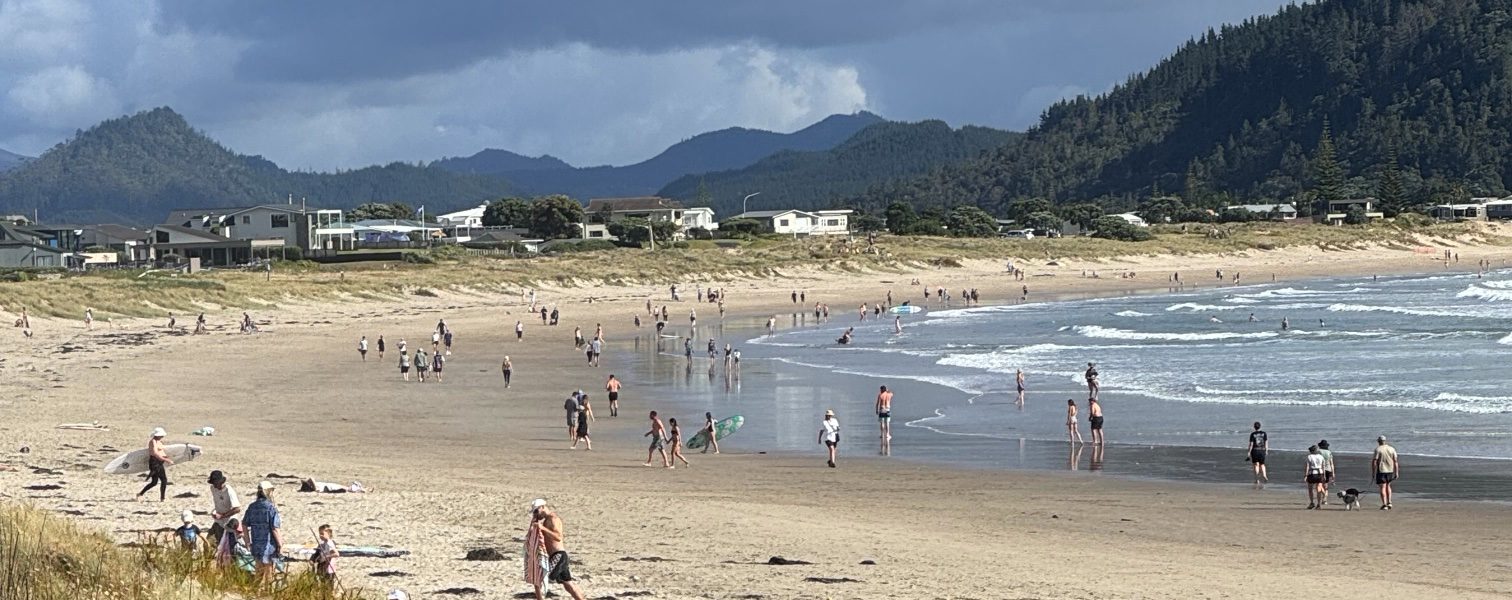
The Coromandel has more than 400 kilometres of coastline, and most of us live within a short walk of it. Our towns grew up around harbours, estuaries and beaches. That is the attraction, and it is also what insurers are now looking at very hard.
The turning point
The turning point was 2023. The Auckland Anniversary Weekend floods and Cyclone Gabrielle produced about $4 billion in insured losses and more than $14 billion in total damage, and the Insurance Council has described them as part of a pattern rather than one offs. Since then insurers and their reinsurers have been working to limit how much coastal and flood prone risk they carry.
The weather has not helped the argument. On 21 January this year Whitianga recorded 247.6 millimetres of rain, its wettest day since records began in 1987, while Whangamata recorded 309.4 millimetres and Waihi Beach 284.8 millimetres. Water went through the Whitianga campground and into homes and streets that had never flooded before. The Insurance Council puts the insured cost of that 18 to 22 January event at $75.9 million from 5,347 claims. Treasury has found home insurance premiums have risen at three times the rate of inflation since 2011, with a 40 percent rise in the two years to early 2026.
How insurers are responding
Insurers have responded in two ways. The first is to stop writing new business in places where they feel they have enough exposure. AA Insurance has put a hold on new home, business and landlord policies in the 7825 postcode covering Westport, Carters Beach and Cape Foulwind, and has added Woodend in North Canterbury to its list, after earlier holds in Lincoln and Rolleston on seismic grounds. Tower has taken an address by address approach, which has seen it decline cover for some high risk properties in areas such as Westport. In Napier, Tower is refusing to insure some homes in the council owned Parklands estate because of what it sees as a high risk of sea surge flooding, even though the estate sits more than two kilometres from the sea.
The second response is risk based pricing. Tower introduced it for earthquakes in 2018 and inland flooding in 2021, and in August 2025 extended it to landslide and sea surge. One Christchurch owner dropped his cover after Tower's sea surge assessment pushed his premium up by more than 30 percent, or about $1,000 a year, for a home several kilometres from the sea. Two similar homes in the same Coromandel street can now carry very different premiums depending on how the models rate flood, erosion and storm surge exposure.
Councils and the Reserve Bank
Councils are part of this too. Since 1 July 2025 the Local Government Official Information and Meetings Amendment Act has required councils to include fuller natural hazard information in LIMs, including maps showing hazard zones and links to information held by regional councils. A property's exposure is becoming a matter of public record rather than local knowledge, and insurers read LIMs.
The Reserve Bank's May 2026 Financial Stability Report named rising premiums, growing underinsurance and insurer reluctance to cover some flood exposed locations as emerging risks to the banking system, and brokers told The Post this month that insurers have reached their risk limits in some areas.
So what should you do?
Get advice. Work with a broker who knows which insurers are still prepared to take on coastal risk, because that list is getting shorter. Disclose everything you know about your property, including past flooding, erosion, drainage problems and any hazard notes on your LIM. If you do not, you may find at claim time that the cover you thought you had is not there.
And do it before renewal, not after a decline. A home that one insurer will no longer write is usually still insurable with another; the work is in knowing which one, and presenting the property properly. If you would like to talk it through, book a call with one of our brokers and we will ring you at a time that suits.
Sources: ICNZ cost of natural disasters table; Insurance Business, Kaikoura floods extend South Island's costly weather run; The Watchers, record breaking rainfall January 2026; RNZ, wild weather in pictures, 21 January 2026; Insurance Business, repeat storms shift more weather losses onto NZ insurers (Treasury premium figures); Insurance Business, AA Insurance pauses new Westport cover and halts new home cover in Woodend; NZ Property Investor, Going under; NZ Herald, Tower flags sea surge risk at Napier Parklands; RNZ, man dumps home insurance over Tower's sea surge assessment; Interest.co.nz, Tower extends risk based pricing to landslides and sea surges; Anderson Lloyd, LIMs are changing; Newswire, Reserve Bank May 2026 Financial Stability Report; The Post, insurers have reached their risk limits, 14 October 2026; CFM, coastal insurance cover gets harder to place, 20 October 2026.
Own a coastal home or a bach? We know which insurers still write them and how to present the property. Send us your current schedule or tell us about the house, with no obligation.